
The recently published Multidimensional Poverty Index (MPI) 2024 titled “Poverty Amid Conflict”, a joint publication by the United Nations Development Programme (UNDP) and the Oxford Poverty and Human Development Initiative (OPHI), paints a stark picture of the current state of global development.
According to the report, 1.1 billion people are living in acute poverty globally, with 40% living in countries experiencing war and fragility. Additionally, of the 1.1 billion people in acute poverty, nearly half—455 million—live in countries exposed to violent conflict, hindering and even reversing hard-won gains in poverty reduction.
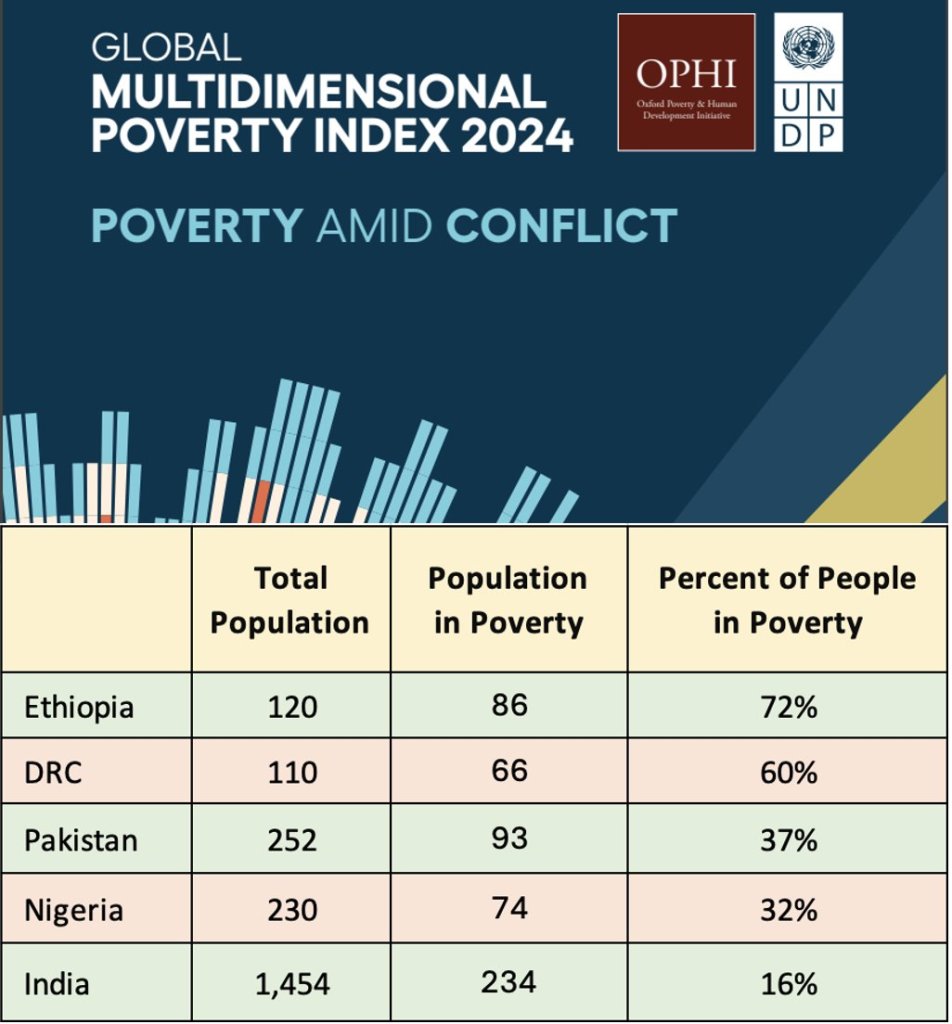
Ethiopia is representative of the findings of the MPI 2024, where poverty and conflict are on the rise. According to the report, Ethiopia’s population that is multidimensionally poor increased from 68% in 2019 to 72% in 2024, with an additional 18% susceptible to multidimensional poverty. Furthermore, of Ethiopia’s 120 million population, 86 million are in poverty—a staggering 72%—the highest percentage of a population in poverty in the world. Additionally, of the 86 million in poverty, 50% are children.
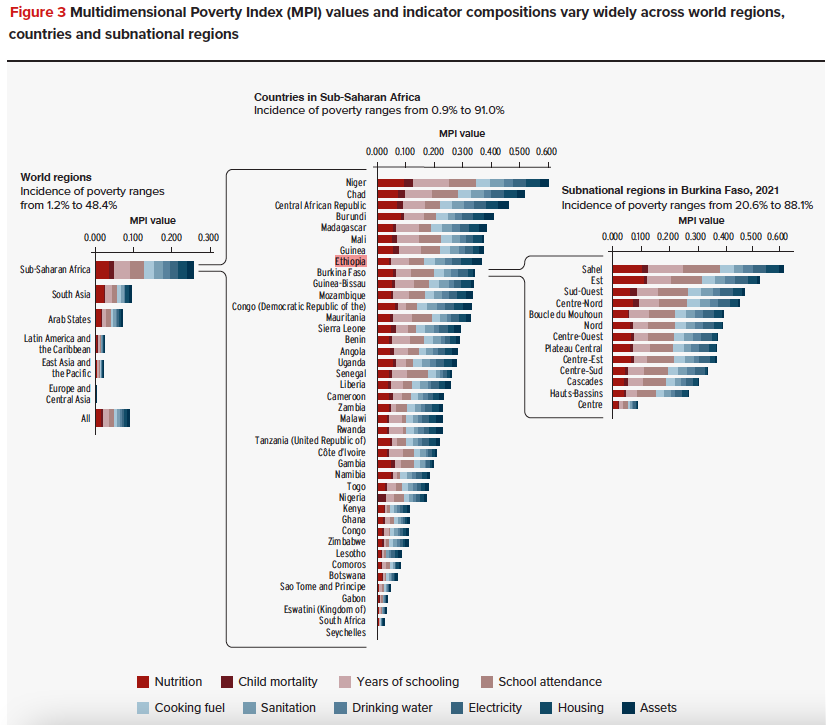
At the continental level, Ethiopia’s MPI ranks 34 out of the 41 African countries in the study.
Root Causes
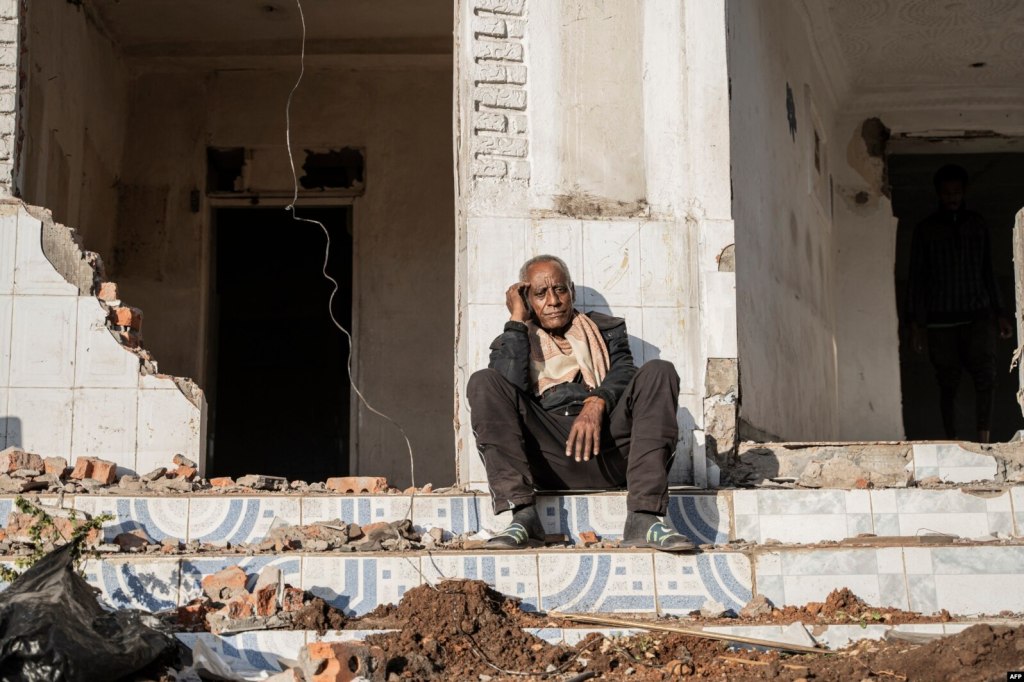
The root causes for Ethiopia’s predicament can be found in the proliferation of armed conflict throughout the country, as well as the misaligned policy priorities of the Abiy Ahmed regime. For instance, since 2020, much of northern Ethiopia has been in ceaseless conflict, including the Amhara, Tigray and Afar regions. Similarly, conflict has gripped the Oromia region, particularly its western part.
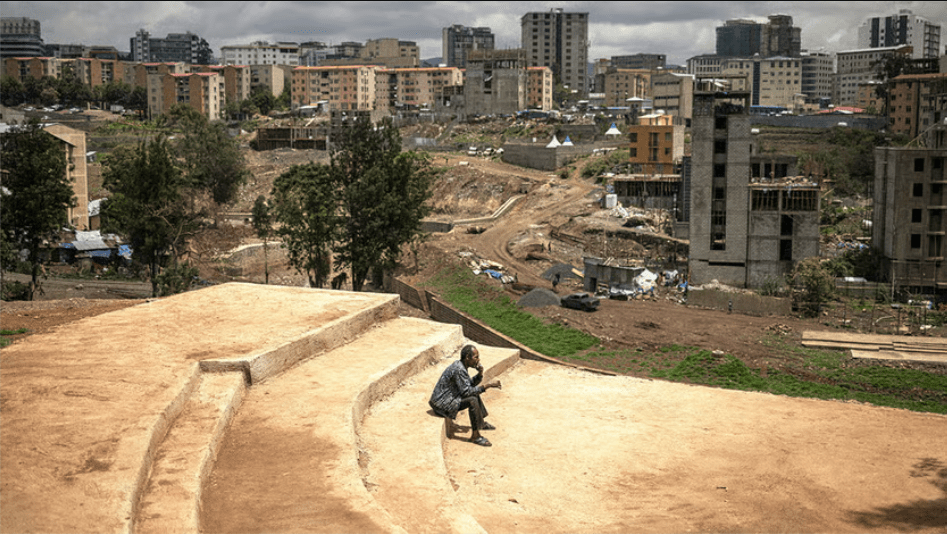
At the same time, the Abiy regime has misaligned policy priorities—opting to spend limited foreign exchange earnings on vanity projects such as resorts and lodges rather than address structural economic and development challenges, including macroeconomic imbalances, the lack of economic productivity, poverty, inflation and unemployment.
Ironically, it’s in this dire socioeconomic and security context that Abiy and his officials repeatedly claims that: “Ethiopia is prospering” and “we are living our dream.” What is becoming increasingly clear is that Abiy’s “dream” has turned into the Ethiopian people’s nightmare.

 Ethiopian Policy Institute