
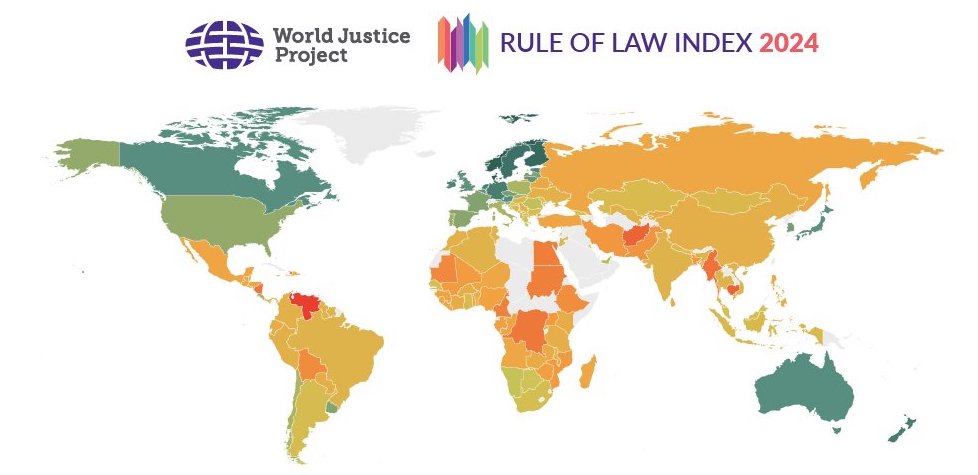
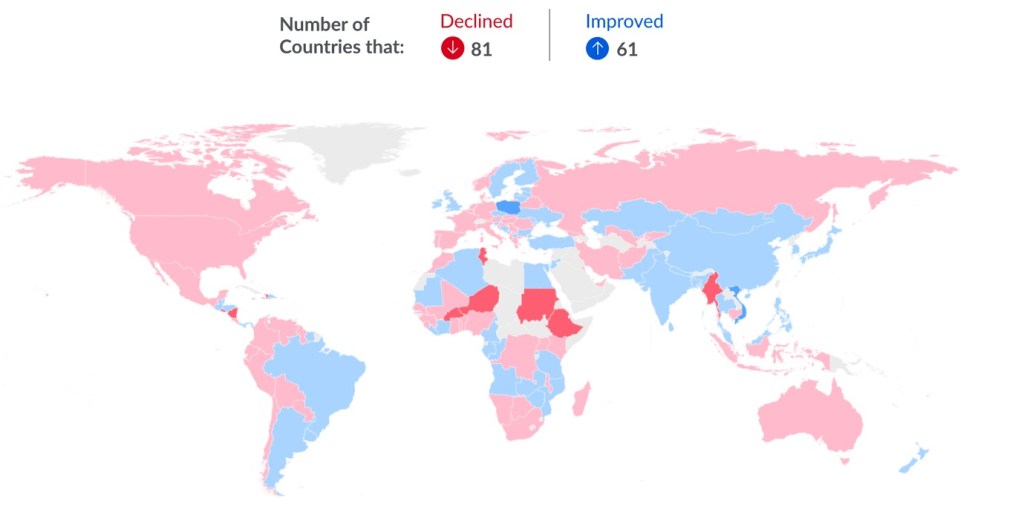
According to the World Justice Project Rule of Law Index 2024, for the seventh year in a row, the rule of law has eroded in a majority of countries in the world (Figure 1). In the last year, the rule of law declined in 81 of 142 countries (57%) surveyed—including Ethiopia, which ranks 130 out of 142 countries globally, and 30 out of 34 countries in Sub-Saharan Africa. Conversely, the rule of law improved in 61 out of 142 countries (43%) in the past year.
Figure 1: The Rule of Law Globally
The rule of law is essential for reducing corruption, combating poverty and disease, and protecting people from injustice. It is the foundation for communities of justice, opportunity, peace, and stability—underpinning socioeconomic development, accountable governance, and respect for human rights.
To this end, the Rule of Law Index considers 8 factors in determining a country’s overall score. A country’s overall score ranges from 0 – 1, with 1 indicating the strongest adherence to the rule of law.
The Rule of Law in Ethiopia
In Ethiopia, the rule of law continues to deteriorate. According to the Rule of Law Index 2024, Ethiopia’s overall score of 0.37 ranks it 130 out of 142 countries, a -2.4% decrease, and commensurate with a 1 position decline from 2023 (Figure 2).
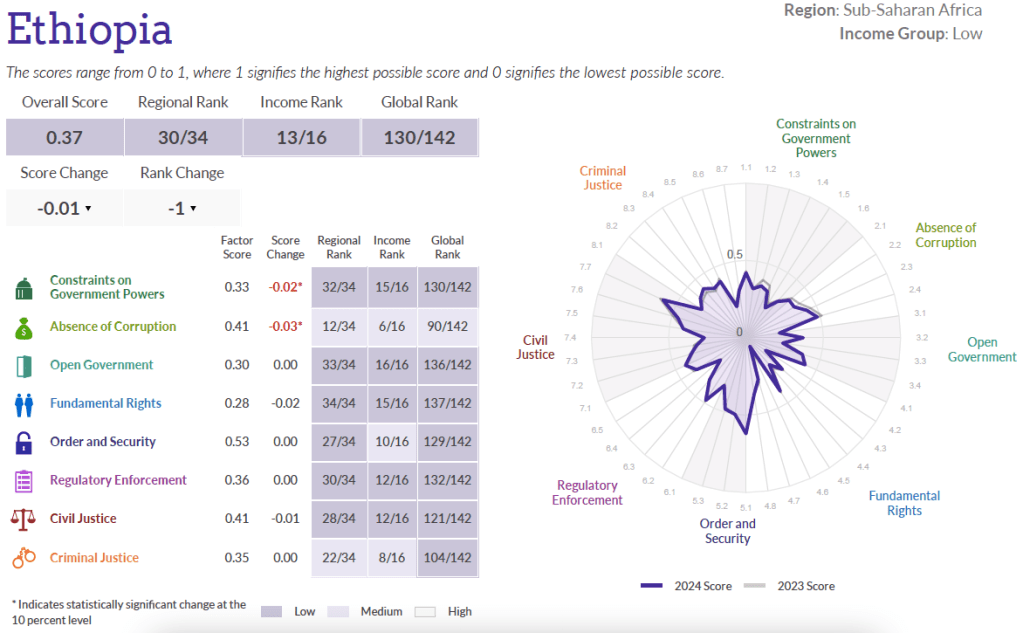
The most significant factors for the decline in Ethiopia’s rule of law score are the deterioration in: Absence of Corruption, Fundamental Rights, Constraints on Government Powers, and Civil Justice (Figure 3). Ethiopia did not show improvement in any of the 8 factors of the rule of law index.
Figure 2: Ethiopia’s Overall Rule of Law Score (2024)
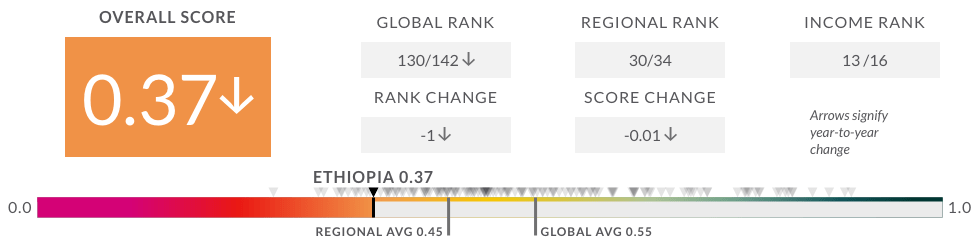
Figure 3: Ethiopia’s Overall Rule of Law Score by Factor (2024)
Furthermore, Ethiopia’s overall rule of law score has consistently declined over time—declining from a high of 0.41 in 2020 to its lowest score of 0.37 in 2024 (Figure 4).
Figure 4: Ethiopia’s Overall Rule of Law Score Over Time (2015-2024)
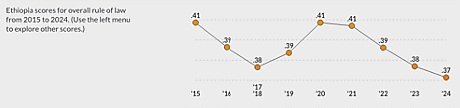
The consistent decline in the rule of law since 2020 is particularly noteworthy. It coincides with the 2-year civil war in northern Ethiopia, which lasted from 2020-2022, and the ongoing war in Ethiopia’s Amhara region, which has been raging since April 2023.
In the Amhara region, the Abiy regime’s war of aggression on the Amhara is characterized by its brutality, including targeting civilians and civilian infrastructure with drone and air strikes, extrajudicial killings, using rape as a weapon of war, and mass arbitrary arrests. The authorities have been credibly accused by human rights organizations of committing war crimes and displaying a “total disregard for the rule of law” in Amhara.
In short, the combination of armed conflict, violence against civilians, gross human rights violations, and total disregard for the rule of law is adversely effecting governance in Ethiopia.
Regional Context
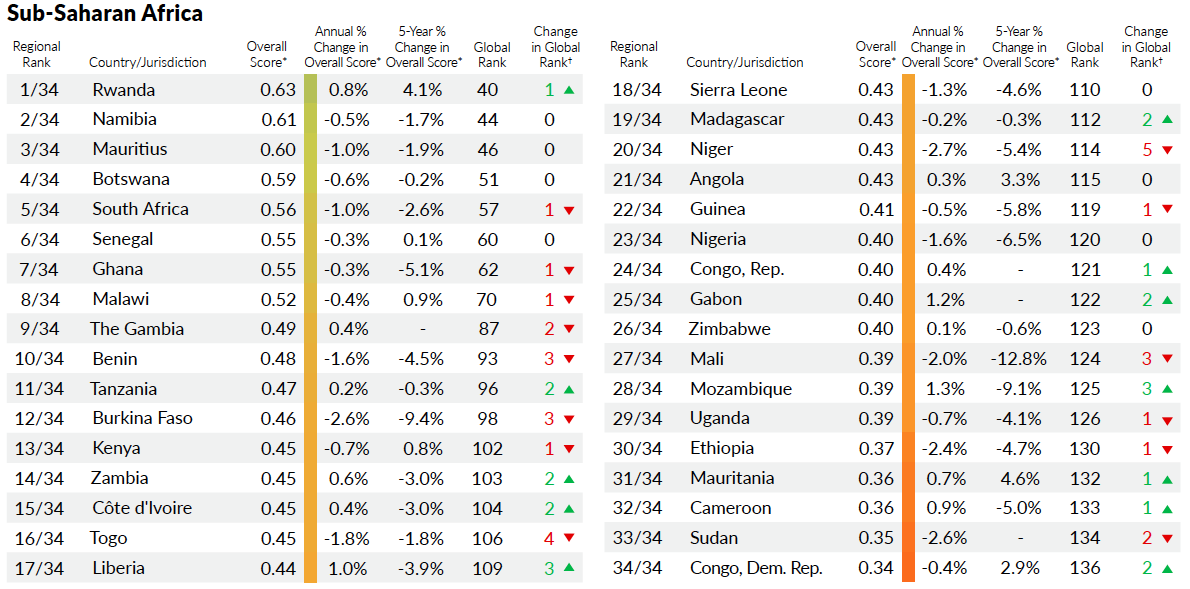
Regionally, Ethiopia ranks 30 out of 34 countries surveyed in Sub-Saharan Africa, a -0.01% decrease from 2023. In addition, among low-income countries, Ethiopia ranks 13 out of 16. The region’s top performer is Rwanda (ranked 40 out of 142 globally), followed by Namibia and Mauritius. The five countries with the lowest rule of law scores in the region are Ethiopia, Mauritania, Cameroon, Sudan, and the Democratic Republic of Congo (Figure 5).
Figure 5: Rule of Law Index for Sub-Saharan Africa (2024)
In sum, the Rule of Law Index 2024 paints a grim picture of the current state of justice, accountability, and the rule of law in Ethiopia. Armed conflict, lawlessness, criminality, and public sector corruption—in construction, mining, and procurement—are proliferating in Ethiopia. This is having deleterious effects on governance, socioeconomic development, and citizen well-being.

 Ethiopian Policy Institute