
The International Monetary Fund (IMF) has criticized the Abiy Ahmed regime for its inadequate support for economically vulnerable and distressed citizens in Ethiopia.
This comes on the heels of the ongoing liberalization and privatization agenda — part of the Abiy regime’s so-called Homegrown Economic Reform Agenda — overseen and funded by the IMF and World Bank.
The economic agenda, which is being implemented through damaging shock therapy — in “one big bang” — has exposed the Ethiopian public to a confluence of economic factors, including rapidly increasing prices on consumer goods, increasing food prices, and rising prices of fuel and utilities. At the same time, there have been significant cuts to government expenditure on public services and poverty alleviation programs such as the social safety net. In sum, this is precipitating a cost-of-living crisis.
Consequently, in its latest evaluation, the IMF noted that direct support for Productive Safety Net Program (PSNP) beneficiaries has been inadequate. In particular, payments to social safety net beneficiaries — who receive direct financial assistance under ongoing social programs — are well below expectations. In the words of the IMF, “the support provided to vulnerable segments of society is insufficient.”
The IMF report also notes that the insufficient support to the least well-off segments of Ethiopian society has been an ongoing challenge. The report concludes by urging the Abiy regime to “expedite efforts to expand the targeted social safety net (PSNP) to protect vulnerable households and ensure efficient use of public resources.”
Cost of Living Crisis
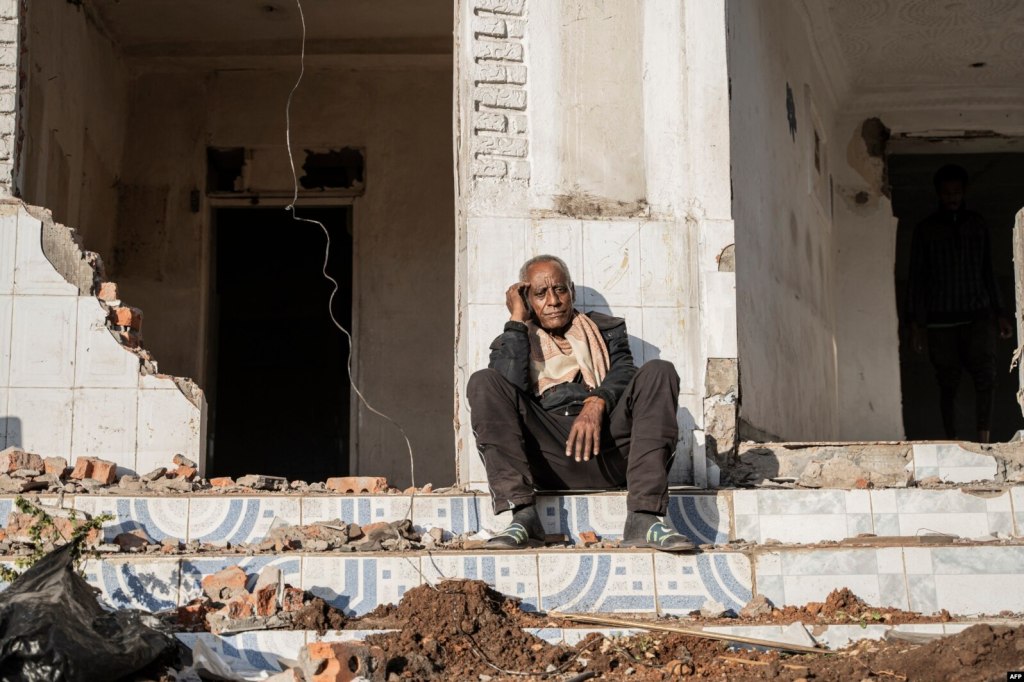
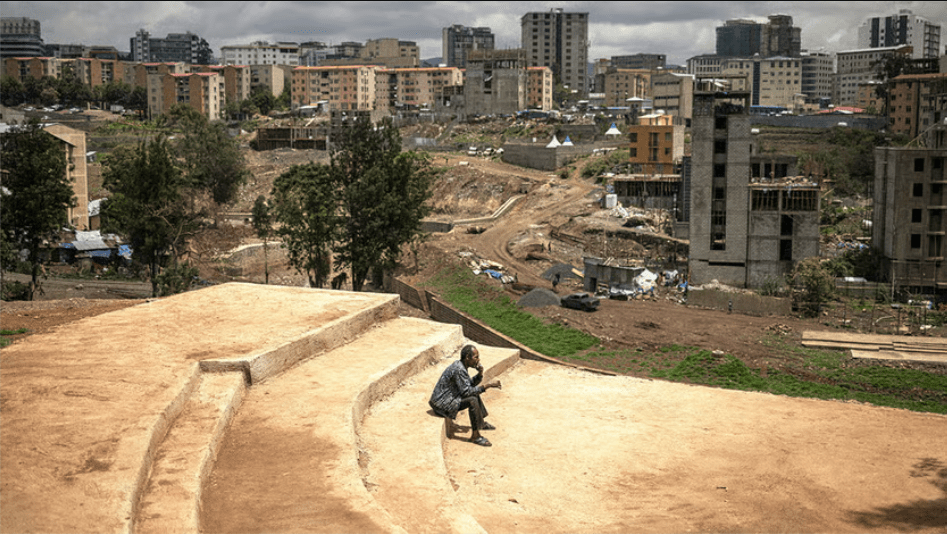
Since liberalizing the foreign exchange regime, or free-floating the currency, in July 2024, the Ethiopian Birr has depreciated by over 120%. Simultaneously, the Abiy regime undertook sweeping austerity measures — slashing subsidies to fuel, electricity, and poverty alleviation programs, while increasing property and value-added taxes. This has led to skyrocketing prices and unbearable living costs for the vast majority of Ethiopians that report lacking basic necessities, including cash income (87%), water (65%), medical care (65%), food (60%), and cooking oil (46%), according to a recent survey by Afrobarometer.
This economic hardship is also exacerbating poverty and inequality in a society where 72% of the population is in multidimensional poverty with an additional 18% on the cusp of multidimensional poverty, according to the United Nations Development Programme (UNDP).
In this context of widespread economic hardship, the Abiy regime continues to neglect and dismiss the challenges encountering vulnerable segments of Ethiopian society. For instance, the State Minister of Finance, Eyob Tekalign, has callously referred to the cost-of-living crisis as an “unfortunate coincidence.” While the Minister for Planning and Development, Fitsum Assefa, has said the “government is trying to move the support system away from the mentality of dependency.” Such comments at a time when — due to economic mismanagement and the proliferation of armed conflict — poverty is increasing in every region of the country, according to UNDP.
Meanwhile, according to the latest public sector debt portfolio report published by the Ministry of Finance, as a consequence of free-floating the currency, Ethiopia’s nominal GDP has declined from $207bn to $100bn, while external debt has increased from $28bn to $31bn, and the debt to GDP ratio increased from 32.9% to 50.3%.

 Ethiopian Policy Institute