
Since the adoption and implementation of an IMF structural adjustment program, including economic liberalization and privatization through shock therapy, Ethiopia’s economy has faced significant challenges.
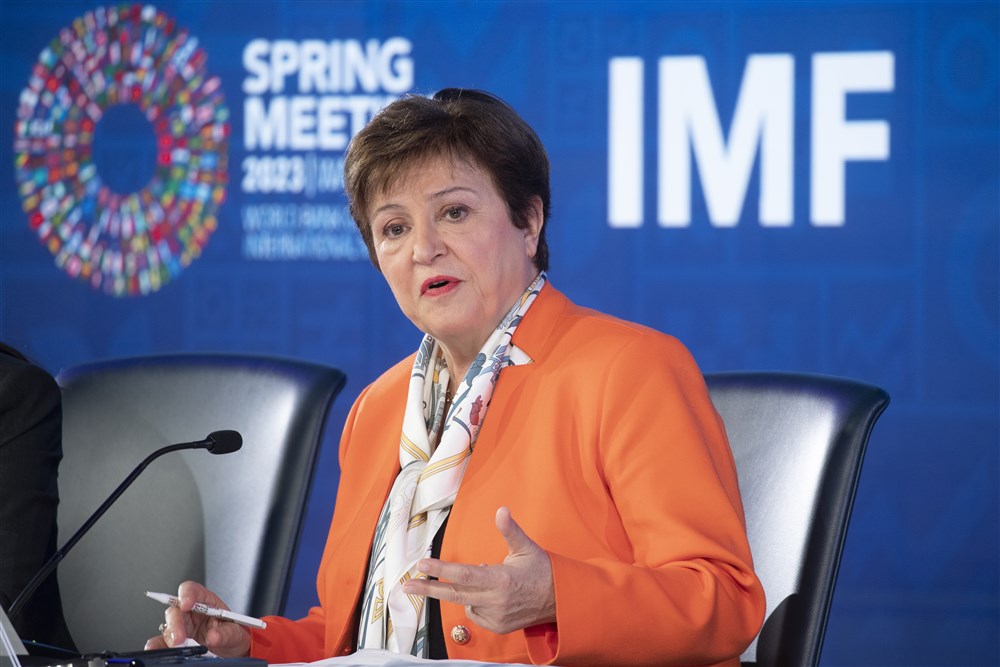
These challenges include a currency depreciation of 140%, inflationary pressure, rising cost of living, declining real incomes, austerity measures, deep cuts to social programs, increasing levels of poverty and inequality, among others. Amid such socioeconomic upheaval, IMF Managing Director, Kristalina Georgieva, recently completed a two-day official visit to Addis Ababa to assess the ongoing IMF structural adjustment program in Ethiopia.
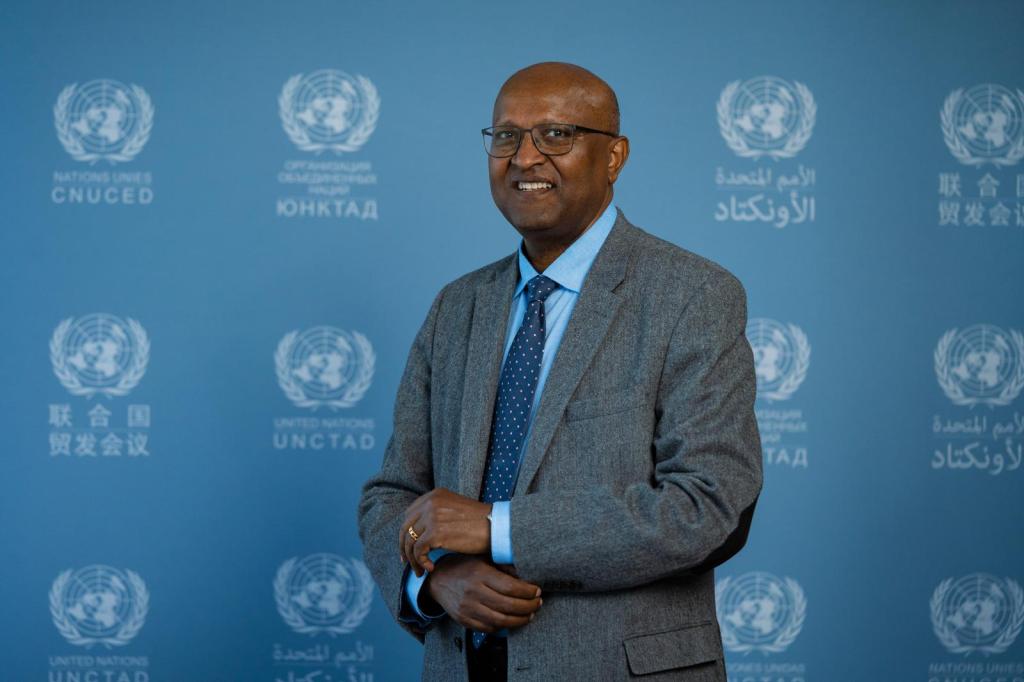
For an in-depth review of Ethiopia’s current economic situation and future outlook, as well as to discuss the IMF Managing Director’s visit, the Ethiopian Policy Institute recently caught-up with economist Mussie Delelegn, PhD, Productive Capacities and Sustainable Development in Africa. The views expressed in this conversation are personal and do not reflect the official views of UNCTAD.
Ethiopian Policy Institute: To begin, can you give us an overview of economic policy reforms and why they are necessary?
Dr. Mussie Delelegn: Economic policy reforms are continuous processes and have been part of development policies for several decades. Their intensity, speed, frequency, and depth have increased particularly since the end of the Cold War.
Policy reforms were galvanized and deepened in the context of the transition from centrally planned economic systems towards mixed or market-based economic systems. Regional and global economic shocks (e.g. the adoption of the U.S. Dollar as a medium of international reserve and transaction currency in 1944, the commodities and debt crises of the 1980s, the Asian financial crises of 1997-98, the global financial crises of 2007-09, as well the Covid-19 pandemic) necessitated a series of adjustment policies.
Country-specific circumstances, regional or global phenomena shaping or necessitating reforms and their influences on economic trajectory vary from country to country. What has become clearer over the years is that policy reforms should be designed carefully with a deep understanding of country-specific fundamentals and a clear strategy to minimize unintended consequences, while maximizing opportunities and benefits for citizens.
To that end, their implementation should be realigned with the development objectives and priorities of nations without entailing huge political and economic costs. Reforms are needed to correct distortions and imbalances in the economy with the aim of accelerating inclusive growth and sustainably improve the well-being of citizens. Conversely, they should not impede or hinder socioeconomic progresses of developing nations such as Ethiopia.
Ethiopian Policy Institute: What must governments of developing countries such as Ethiopia be aware of when accepting structural adjustment programs, or reforms?
Dr. Mussie Delelegn: This is an important question that raises several further fundamental questions: Are governments undertaking reforms because of egregious policy distortions and operational inefficiency in their economies? Are commitments to reforms an admission of the inability of governments to resolve structural challenges facing their countries? Do governments genuinely believe that market forces alone can correct structural imbalances and policy distortions in their economies? What is the real motivation behind adjustments and policy reforms in developing countries?
Responding to these questions is more urgent today than ever before because of the underlying assumptions in internationally imposed policy prescriptions. These underlying assumptions are: (1) protectionist policies are disastrous for growth; or in other words, the free markets are a panacea for all socioeconomic problems facing developing countries; and (2) governments are weak, and state-led macroeconomic policies are inadequate to address structural constraints and inefficient allocation of scarce resources. Before undertaking market-based reform programs, governments should adequately respond to these and related questions.
They should also carefully assess their strengths and weaknesses as well as prepare realistic contingency plans to limit unintended negative consequences of reforms to their economies and societies.
What is vital for countries such as Ethiopia is to regain macroeconomic policy autonomy, i.e., expanding policy space and determining the optimal paths of reforms to maximize opportunities and benefits for all.
Ethiopian Policy Institute: The IMF Managing Director, during a recent visit to Addis Ababa, described the structural adjustment program that Ethiopia is currently undergoing as “tough” and “time-taking”. As an economist, how do you interpret this assessment, and what are the implications?
Dr. Mussie Delelegn: In my opinion, the comments by the IMF Managing Director were realistic. They highlight the stark realities in countries such as Ethiopia given the complexity of the reforms themselves, and the multiple challenges thereof. They are also signs of understanding the limited institutional capabilities and paucity of financial and human resources required to implement such bold policy reforms.
This notwithstanding, assessments and approval of policy outcomes — successful or unsuccessful — should come, first and foremost, from the Ethiopian people. In aid-dependent economies, policymakers often underestimate the importance of domestic public opinion and critical views. I think it is time to reverse the tide of outsourcing development policies, their excessive reliance on external financing, and sponsor-based approval of outcomes.
No doubts, the reforms undertaken by Ethiopia are bold and “tough”. They are poignant reminders of the painful structural adjustment programs (SAPs) vigorously pursued in sub-Saharan Africa in the 1980-90s. This is because of the degree and extent of the structural adjustment programs as well as their scope, speed, and unprecedented political and economic costs they entail.
The ultimate objectives of policy reforms are to accumulate capital, achieve inclusive growth, and sustainable socioeconomic development while improving the living standards of citizens. Otherwise, reforms, including those Ethiopia has been implementing will lose meaning and purpose. Therefore, for the sake of socioeconomic well-being and political stability, economic policy reforms must produce favorable outcomes for citizens—no matter what.
Ethiopian Policy Institute: Could you explain what you mean by “complexity” of reform programs and “contradictions” therein?
Dr. Mussie Delelegn: Conceptually, the complexity of the reform process arises, at least, from four broad angles: First, the scope and multiplicity of policy actions undertaken and the complex relationships between and among them. Second, the range, depth, speed, and extent of the supposed policy distortions to be addressed. Third, the nature of binding constraints to be relieved and financial and human resources required for this. And fourth, the information gap, lack of clarity, and apparent contradictions in the intended objectives of the reforms themselves.
While there is no universal blueprint to guide reform processes, almost all countries are prescribed the same or identical adjustment policies contained in what is collectively called the “Washington Consensus”. Broadly regarded as stabilization, liberalization, and privatization policies, each of these pillars in turn consists of a series of intricate areas for intervention. These range from exchange rate stabilization, tax reforms, property rights protection, removing subsidies and budget restriction, deregulation, privatization and liberalization including financial liberalization.
Beyond the complexity of the reform processes, there are glaring contradictions inherent in key prescribed policy agenda. For instance, often, implementing governments are squeezed to tighten their budgetary expenditures — what is usually called “fiscal discipline” — with the primary objective of balancing the budget or reducing budget deficits. However, the financing needs of countries such as Ethiopia are colossal, covering social sectors such as education and health on the one hand, and investing in infrastructure (soft and hard), productive capacities, and poverty reduction programs, on the other hand.
Similarly, the proposed monetary policy tightening, by its nature, involves discretionary budgeting, while controlling inflation — and calls for interest rates hikes. A prescription known for growth-dampening effects and chocking investments — particularly private sector investment by limiting access to finance. How countries such as Ethiopia are expected to achieve the proclaimed “high and private sector-led growth” remains unanswered.
Ethiopian Policy Institute: Why are the reforms “time-taking”, as described by the Managing Director?
Dr. Mussie Delelegn: The Managing Director rightly hinted that policy reforms are “time-taking”, insinuating that Ethiopian policymakers should not expect “low-hanging fruits”. She may be implicitly advising against complacency, exuberance or exultation with short-term outcomes that have nothing to do with correcting structural distortions and deep-rooted challenges. This is largely due to a significant time-lag between the introduction of the reforms and their expected outcome, if any.
Further challenges include erroneous policy sequencing, mistiming and weak institutional capabilities and lack of adequate financial and human resources to implement the reforms in letter and spirit. But it is also due to the lack of empirical evidence substantiating tangible gains from free-market orthodoxy prophesied in structurally weaker and vulnerable economies such as those in sub-Saharan Africa.
The statement of the Director can be interpreted as the realization of the magnitude of the problem. It can also be seen as an indirect admission of the inability of free-market orthodoxy to address structural development challenges effectively.
There is massive evidence arguing against the validity and vitality of externally imposed and sponsored structural adjustment programs. This is because reforms must be predicated on objective assessments of domestic socioeconomic and political realities. This means that the agenda for reform should depend on country-specific circumstances, institutional capabilities, cultural mindsets, and resources endowment.
Without these, I am afraid, that complex development challenges facing African countries such as Ethiopia may continue lingering for a long time to come. This will be further compounded by political instability, climate change, increasing external indebtedness, growing protectionist policies, and tightening of development aid from partner countries, albeit external aid has never delivered development outcomes in sub-Saharan Africa.
Ethiopian Policy Institute: The Managing Director acknowledged that “a lot of work remains to be done” to improve economic efficiency. In your view, what are the key areas that require further work?
Dr. Mussie Delelegn: The list of commitments Ethiopia has accepted is vast and all encompassing. This includes free-floating exchange rates, trade, investment, and financial liberalization, tightening budget expenditures, removing essential subsidies and price controls, including utility prices, introducing tax reforms, revamping the bureaucracy and eliminating “redundancy”, deregulation, and privatization.
Reforms that Ethiopia and other countries in sub-Saharan Africa have accepted go far beyond the policy prescriptions selectively and carefully implemented in successful economies of East Asia. For example, empirical evidence show that East Asian economies, maintained low interest rates, provided targeted subsidies including subsidized credits to domestic firms, and reformed their public or State-Owned Enterprises instead of auctioning them to privatize.
Moreover, governments of these countries hugely intervened in investment decisions as opposed to leaving things to market forces. Therefore, I do not see any policy area unscathed from the new episodes of stabilization and liberalization policies, which I can conveniently call “Structural Adjustment Programs-II”.
It seems that the Managing Director tacitly recognized the difficulty of implementing such bold, complex, and intricate policies given Ethiopia’s weak institutional and financial frameworks, generalized poverty situation, microeconomic and macroeconomic instability, as well as protracted conflicts facing the country.
Additionally, the preconditions that existed in successful economies are generally lacking in Ethiopia. For example, in Ethiopia, economy-wide productivity and productive capacities are low, trade deficit is bulging, public indebtedness is soaring, inflation remains worrying, skilled and educated labour force is bare minimum, political instability and corruption remain widespread (by the admission of the government).
Under such difficult socioeconomic and political circumstances, improving economic efficiency and export competitiveness can be regarded as overstretching to sky-scratching.
Ethiopian Policy Institute: The Managing Director expressed optimism regarding “tremendous results” in the future. Do you share this optimism based on Ethiopia’s current economic situation, future economic outlook, and the experiences of other countries that have been in a similar situation?
Dr. Mussie Delelegn: Optimism and pessimism alike can be overly misleading or biased. What is important is to be realistic. Meaning, carefully assessing existing socioeconomic fundamentals including macroeconomic imbalances and structural challenges facing the country as well as endeavoring to effectively address them. I would also like to qualify the statement of the Managing Director as “cautious optimism” given her short stay only in the capital city, Addis Ababa, and the longer time it takes to see the fruits of the reforms, if any.
Let me also put an accent on the phrase used by the Managing Director: “in the future”. This reminds me of an age-old debate on the concept of “long-run” and related question: How long is a long-run? It took more than four decades for Ghana to arrive at a positive trade balance thanks to the discovery of oil and improved international prices for gold exports. Botswana that historically has high quality institutions, sound diversification strategies and better macroeconomic environment is still suffering from overdependence on the export of a single commodity (diamonds) and related vulnerabilities to exogenous shocks.
After more than 40 years since the introduction of structural adjustment programs, no country in sub-Saharan Africa has achieved full or partial industrialization and structural economic transformation, except for South Africa (for completely different reasons), and to some extent Mauritius. In fact, dependence on exports of primary commodities and external aid as well as indebtedness and trade deficits have continued to plague countries of sub-Saharan Africa.
In my reading, the Managing Director is fully aware of the complex set of factors that positively or negatively impacts reform outcomes in the future. It is sufficient to recall the assertions by free marketeers about the dismal failures of the 1980-90s SAPs in sub-Saharan Africa. The main scapegoats were weak institutions, conflicts, political instability, weather hazards, the collapse of international commodity prices, and mounting debt crisis of that time. There were no blames on the bad economics, erroneous policy prescriptions, and the difficulty to implement externally prescribed reforms.
Ethiopian Policy Institute: In your opinion, what are the key ingredients of successful policy reforms?
Dr. Mussie Delelegn: What we learn from successful experiences of frontrunners are policy pragmatism, experimentation, and learning from positive and negative outcomes, and forward-looking strategies. These are not empty slogans or bravados. They are ingrained in the policy narrative, articulation, and implementation in many successful economies.
Policy pragmatism is no longer a “discursive philosophy” from ideology to “exceptional possibilism” as it used to be often debated. Rather it is meant, at least in the development policy context, clearly understanding the most pervasive local problems, mobilizing and applying interdisciplinary knowledge, skills, and resources to solve them practically. This involves clear understanding of dynamic comparative advantages, identifying key binding constraints to development, while mapping, realigning, and sequencing intervention strategies.
It also means mobilizing actors and stakeholders as well as understanding regional and global developments with implications for domestic policymaking. The aim is to effectively harness opportunities, unlock dynamic comparative advantages, and relieve binding constraints to achieve inclusive growth and development. In the same vein, policy experimentation is the process of “trial and error”, which enables economies to know what works and what does not as well as document operational or practical lessons. Latecomers such as Ethiopia must draw, synthesize, and internalize policy lessons from successful and less successful economies. Forward-looking strategies refer to carefully planning, preparing contingencies, and understanding how to deal with risks and uncertainties.
Ethiopian Policy Institute: The Managing Director also referred to “tremendous results”. What are your thoughts on this?
Dr. Mussie Delelegn: As I pointed out earlier, it is vital to understand the rationale for reforms and their short and long-term economic and political costs. Without quantifying costs, it will be difficult to estimate net benefits. It is equally important to assess local capabilities, existing potential, and opportunities.
We should be mindful of the considerable time lag between policy reforms and outcomes. Policy suitability and long-term sustainability of outcomes cannot be evaluated based on short-term outcomes such as temporal price changes or accidental outcomes that have nothing to do with structural challenges and binding constraints to development. For instance, preliminary data shows that Ethiopia’s exports have marginally improved. This is largely due to increases in international coffee and gold prices, which are the country’s dominant export earners rather than the outcome of the reforms.
According to Observatory of Economic Complexity (OEC), in 2023, Ethiopia’s per capita export earnings remain one of the lowest in Africa at US$30, compared to Africa’s populus countries such as Egypt (US$446), Nigeria (US$268), DRC (US$196) and Kenya (US$155) in the same year. The supply response to reforms particularly in the coffee sector is known to be pedantic and painstakingly slow although there could be marginal gains from curbing illicit cross-border trade for a short time.
On the other hand, imports have ballooned, and inflation remains stubbornly high including for key farm inputs such as fertilizers, intermediate industrial goods, fuel, machinery, and pharmaceuticals. Independent reports confirm that, in the last few days, in Addis Ababa, prices of basic consumer items such as edible oil, wheat, rice, and lentils have skyrocketed when compared to the preceding weeks.
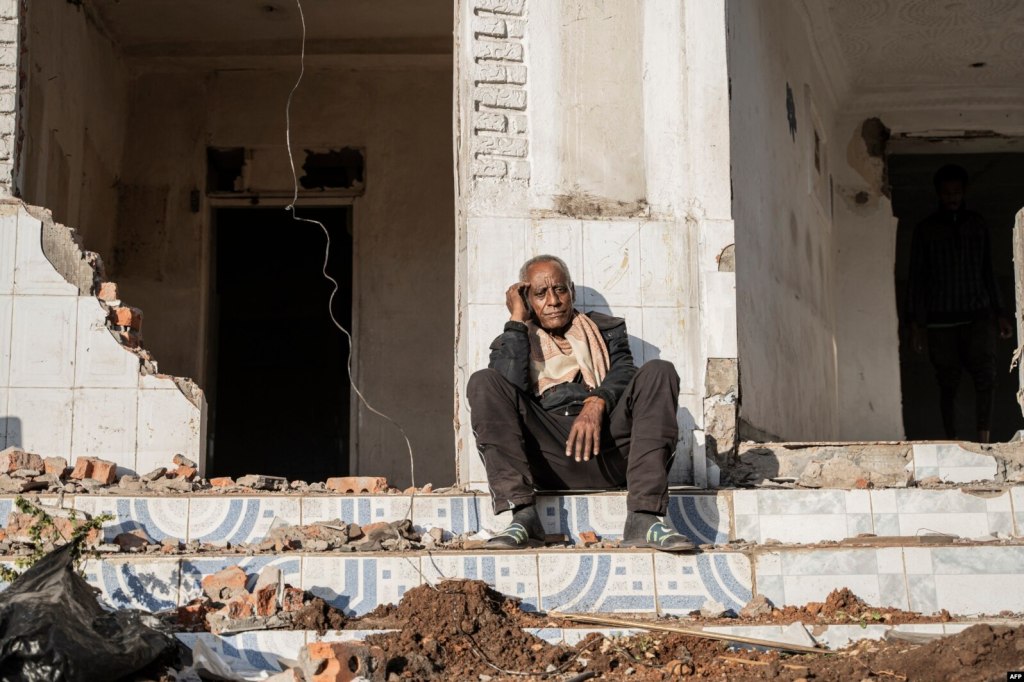
Moreover, Ethiopia has been following expansionary budgetary policy for several years under a “Developmental State” model. Large infrastructure projects including the Renaissance Dam are yet to be completed in the coming few years. Given the paucity of external development finance on which Ethiopia used to heavy rely, post-conflict reconstruction (ongoing conflicts in the Amhara and Oromia regions as well as the continued political instability in the Tigray region) — dealing with all these require expansionary financing.
How Ethiopia follows the prescribed austerity measures under such difficult domestic and international environments remains to be seen. Therefore, for these and several other compelling reasons, I do not agree with the optimism expressed by the Managing Director.
Ethiopian Policy Institute: The Managing Director appealed for public “patience” and “support for the government” so as to get things done. What does this suggest to you about the potential burdens the Ethiopian public may face in the near future?
Dr. Mussie Delelegn: The importance of public support to the implementation of policies and strategies has long been recognized. This is vital for the success of policy interventions, maximizing benefits, and minimizing negative consequences. Evidence shows that public mobilization and consultations before the introduction of reforms, during, and after their implementation are critically important.
The question is whether the Ethiopian public was adequately informed about the rationale for the economic reforms, intended objectives, and their short and long-term consequences to ordinary citizens?
Responding to such questions is critically important because some key aspects of the reforms such as fiscal tightening, removal of subsidies, and inflationary pressures that emanate from adjustment policies will have direct bearings on household incomes, consumption, and savings. For instance, unpopular measures such as abrupt cuts in social safety nets, the introduction of social expenditure reduction, and expenditure-switching reforms will further compound efforts to reduce poverty, reversing gains of previous decades.
Public engagements are also key to reducing information asymmetry, fighting rent-seeking (corruption), and disciplining the bureaucracy. In advanced developing countries, mobilizing the poor for action against poverty bore some concrete results not only in terms of civic engagements but also in improving their access to productive resources such as land and capital, expanding their asset base, and fighting inequality. However, the scale of the challenges in countries such as Ethiopia where a considerable majority of the population lives in multidimensional poverty is enormous, making austerity measures morally, economically, and politically costly.
A call for “patience” begs to address questions such as: What is the meaning of “austerity or belt-tightening” for the poor? How can this be attained under a situation of generalized poverty and extreme scarcity of financial resources? Moreover, the information gap between the public and policymakers about the rationale or motivation for the reform makes rallying the public behind the government’s reforms extremely difficult. This is because it is not sufficiently clear whether the rationale for such difficult reform originates from the dire need for financial aid (loans) or from a genuine desire to remove policy distortions and structural imbalances.
In this context, the call for “public patience” may well be an indication of the imminent dangers of being locked into dire socioeconomic situations for the foreseeable future.
My worries are about the spiraling chase between the official exchange rates and parallel market rates on the one hand, and the untamed inflationary pressure, growing public debt, and persistent trade deficits, on the other hand.
These multi-pronged challenges are clear indications of deep-rooted macroeconomic imbalances in the Ethiopian economy with continued worsening of socioeconomic fundamentals. These are the sort of spillovers that may stretch the patience of the ordinary citizens and make public support for the reforms unlikely.
Ethiopian Policy Institute: The IMF is often criticized for applying a “one-size-fits-all” approach. Based on the reviews conducted so far and the messages conveyed during the Managing Director’s visit, what are your observations regarding this critique in this particular context?
Dr. Mussie Delelegn: What has been observed since the implementation of structural adjustment programs of the 1980-90s is that these programs follow a standard template in terms of the market, institutional, regulatory, macroeconomic policy, trade, and industrial policy adjustments that countries should adopt to get out of macroeconomic imbalances, heavy debt burden, market distortions, inflationary trends, and so on.
As I alluded to above, this formula is based on the “Washington Consensus” framework. However, in my opinion, approaches to development policy are more effective when they are based on local circumstances or country-specific situations. Not only the design and articulation, but also effective implementation of reforms need the requisite productive capacities, sound monetary policy management, political stability, dynamic and vibrant private sector, and functioning institutional and regulatory frameworks as well as a stable macroeconomic environment. Without effectively addressing preexisting distortions and imbalances in the economy, and with little or no capital accumulation, the success of liberalization policies will be less likely.
Let me emphasize, once again, that the conditions that propelled socioeconomic well-being of Asian economies are non-existent in sub-Saharan Africa, including Ethiopia. The auspicious conditions that existed in Asia include the fostering of human capital and the accumulation of physical capital; increased labour force participation in production (particularly manufacturing); interregional FDI, trade and technology flows as well as export boom.
Moreover, East Asian successes are driven largely by effective institutions that can formulate and implement policies together with innovating firms and enterprises that take advantages of trade and investment opportunities. However, the same stabilization and liberalization policies have been widely prescribed in Asia, Latin America and countries of sub-Saharan Africa with disastrous socioeconomic outcomes in the latter. Why are the same policies implemented in different countries leading to completely different outcomes?
The answer is clear: local conditions matter. So do the timing of reforms and policy sequencing. For instance, a better-educated labour force leads to capable decision-making and effective bureaucracy. It attracts productive investment and enhances efficiency and productivity of factors of production while addressing income inequality. Do we have such a conducive environment in Ethiopia or sub-Saharan Africa?
Ethiopian Policy Institute: What are your wishes for Ethiopia in the years ahead? And how do you view the short and long-term economic trajectory of the country?
Dr. Mussie Delelegn: Ethiopia needs a vision and pragmatism that espouse its proud and glorious past, its unique place and contributions to the history of nations, and its potential to become a proud, vibrant, and resilient nation in Africa. This is the only feasible way to correct past mistakes, address current failures, and future challenges. It is time to alter misunderstanding, perspectives, and narratives about Ethiopia from being viewed as a “poster child” of Africa to one that is a dependable, resolute, independent, and unified nation.
The Ethiopian people need their rightful place in the community of nations more today than ever before. Peaceful, stable, and prosperous Ethiopia will be a backbone and springboard for socioeconomic revival and prosperity of East Africa, if not Africa as a whole.
Realizing these aspirations demands a paradigm shift in development policy formulation and implementation. It also calls for a new political narrative — one that is based on dialogue and consensus. The priority should be to foster interethnic cohesion and strengthening cultural and linguistic understanding as key pillars not only for sustained peace and political stability, but also for long-term socioeconomic viability of the country.
These must be seen as a sine-qua-non for ensuring that economic policy reforms bear fruits — achieving inclusive and sustained growth and higher productivity of factors of production (labour, capital, and technology). These will enable Ethiopia to breaking multiple deprivation and low-income traps, enhancing efficient allocation and use of scarce resources, and boosting diversification, value-addition, and export competitiveness. All these are key ingredients for the sustained growth and development of Ethiopia and the African continent.
***


 Ethiopian Policy Institute