
Since Wednesday, July 9, Donald Trump has been hosting five African heads of state in Washington, DC. This is an opportunity to open discussions on ties between the United States and Africa, which have been strained since the Republican billionaire’s return to the White House. Since 2000, AGOA has promoted African exports to the United States, a subject on which Ethiopia has been a benchmark. It was suspended from this agreement in January 2022 due to the war in Northern Ethiopia, with serious consequences for the country.
From Our Correspondent in Addis Ababa,
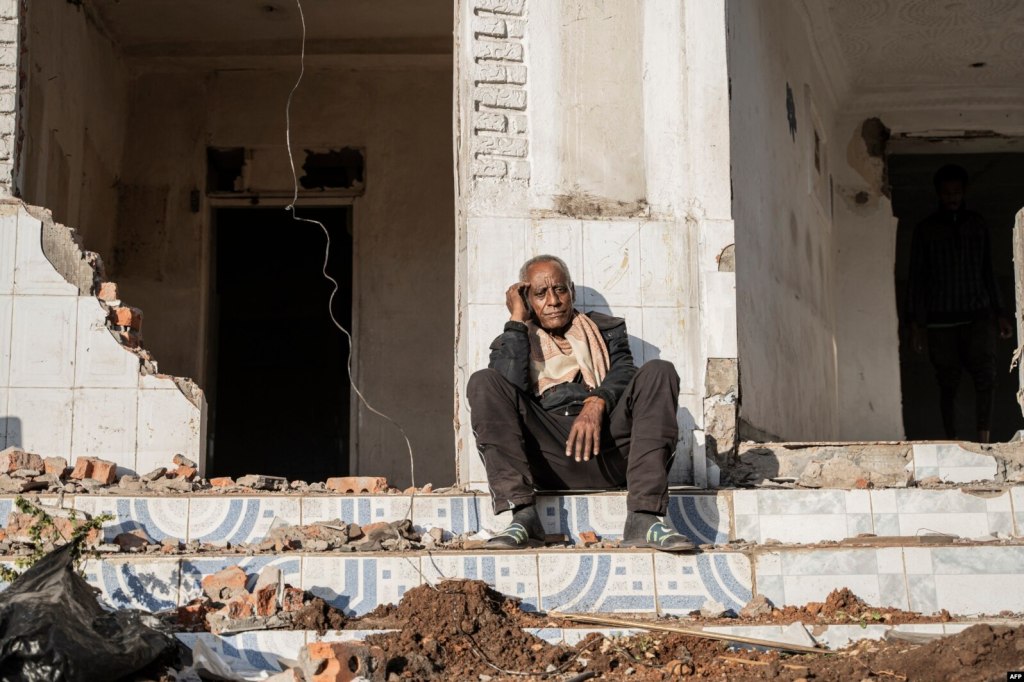
Will Ethiopia ever be able to rejoin AGOA? The question is crucial for the country, as the consequences of its suspension are being felt today. Ahmed Soliman, a researcher at the British think tank Chatham House, looks back at the impact of this decision. “Sectors like textiles, the leather industry, and clothing were integrated into AGOA through exports,” he explains. “They have been severely affected by a decline in their activity, even though Ethiopia had invested heavily in industrial parks over the past ten years. These industrial parks have suffered investment declines, and approximately 18 foreign companies have ceased their activities in Ethiopia. This is the case for major companies like PVH, which owns the Calvin Klein brand.”
According to a report by the African Development Bank, the suspension of AGOA caused the loss of nearly 10,000 jobs. Yet for many years, the trade agreement had boosted the Ethiopian economy, explains Biruk Haregu, an economics and public policy researcher at George Mason University. “AGOA has been very beneficial. Ethiopia had been effectively utilizing AGOA since 2012 to develop manufactured goods, such as textiles, ready-made garments, footwear, leather products, agro-processing, and so on. Under AGOA, Ethiopia produced these goods and sent them to the U.S. market without paying customs duties”, the researcher explains.
The Opportunity to Seek Other Partners?
According to Biruk Haregu, AGOA has also enabled an estimated 200,000 people to access salaried employment in the textile and agro-processing industries. “Ethiopia’s suspension in 2022 was therefore a real shock to the economy and households.”
For Ahmed Soliman, this situation and the concern surrounding the renewal of AGOA, which expires in September 2025, could also open up new opportunities in Africa. “It’s also an opportunity for Ethiopia and other African countries to explore alternatives, diversify partnerships, and demonstrate their ability to negotiate as a bloc”, he says. He also points out the strategic importance of the African Free Trade Area, for example. In 2023, $9.26 billion worth of goods were exported under AGOA, according to the US International Trade Commission.
Editors note: This report was initially published by RFI and prepared by its correspondent Marlene Panara.


 Ethiopian Policy Institute